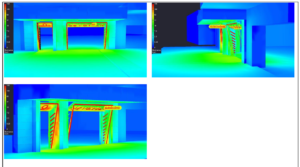
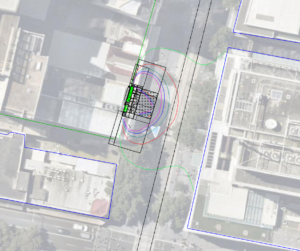
Project Overview
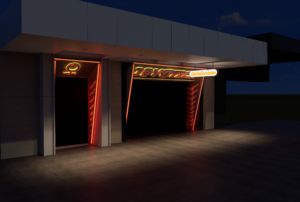
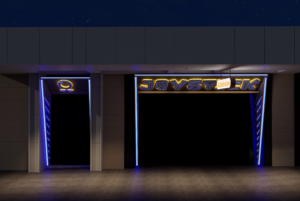
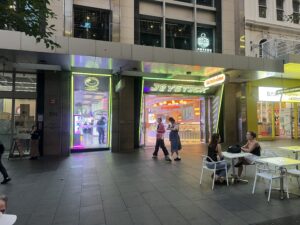
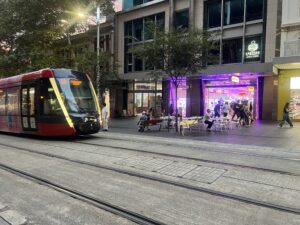
SL Design Consultant (SLDC) was engaged to deliver an independent reflectivity and lighting impact assessment for a high-profile retail shopfront on George Street, Sydney. The assessment was required by Transport for NSW(TfNSW), due to the shopfront’s use of illuminated signage and colour-changing lighting within a busy pedestrian and light rail corridor.
The Challenge
The key concern TfNSW was whether the shopfront lighting could create glare, distraction, or health and safety risks for pedestrians, pedestrians and light rail operators. Particular attention was given to light brightness, colour behaviour, material reflectivity, and potential obtrusive light impacts in a dense urban environment.
This assessment required a high level of specialist lighting expertise, supported by an understanding of the scientific and human-centric effects of light and colour on visual comfort and safety.
Our Approach
SLDC undertook a structured, evidence-based assessment combining:
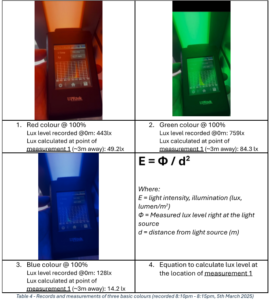
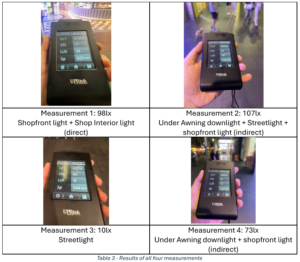
- On-site inspections and professional light measurements
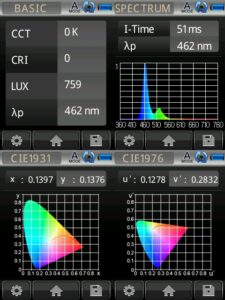
- Professional colorimetry study
- Independent engineering judgement
- Advanced lighting modelling aligned with Australian Standards
The assessment focused on real-world visibility, surrounding ambient lighting conditions, and operational lighting controls.
Outcome
The study confirmed that the shopfront lighting:
- Fully complies with relevant Australian lighting and obtrusive light standards
- Does not pose safety risks to pedestrians or light rail operations
- Does not introduce adverse health impacts related to brightness, colour, or reflectivity
- Requires no mitigation measures under its current control settings
As a result, the project successfully satisfied regulatory requirements and supported progression toward occupation approval.
Endorsement
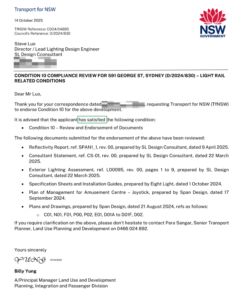
The reflectivity report prepared by SLDC was formally endorsed by Transport for NSW, with a confirmation letter issued. This approval enabled the client to proceed with business operations.
Value to the Client
- Regulatory confidence in a sensitive public-domain location
- Clear, defensible technical evidence accepted by authorities
- Protection of design intent without unnecessary redesign
- A streamlined approval pathway supported by independent expert reporting